
Certain types of truck accidents are especially dangerous because of the way they unfold. Jackknife and underride accidents involve the unique dynamics of large commercial trucks and can cause devastating injuries. Understanding what these accidents are, why they are so serious, and how responsibility is analyzed helps clarify two of the more severe kinds of truck crashes and the factors that contribute to them.
What a Jackknife Accident Is
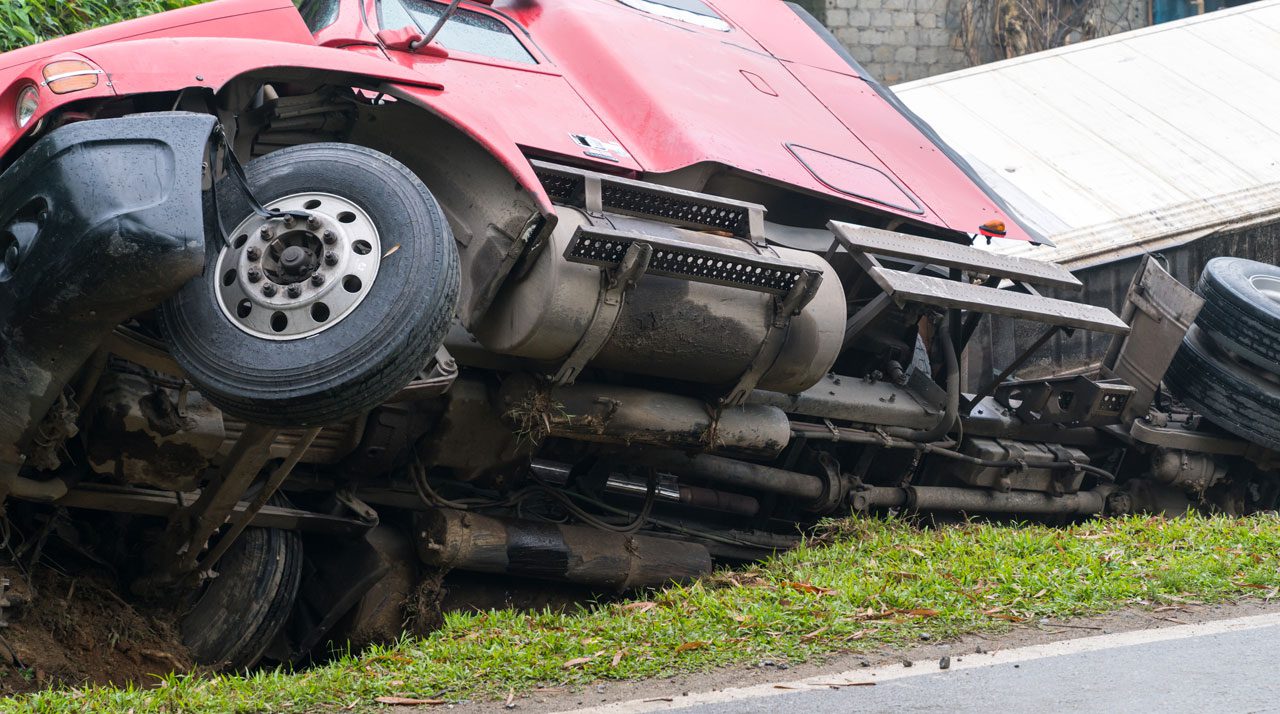
A jackknife accident occurs when a truck’s trailer swings out to the side, folding toward the cab at an angle, somewhat like a folding knife. This can happen when the trailer loses traction or the truck brakes improperly, causing the driver to lose control. A jackknifing truck can sweep across lanes, striking other vehicles and blocking the road. Because the driver has limited ability to control a jackknifing truck, these accidents can be sudden and can involve multiple vehicles.
Underride Accidents and Their Danger
An underride accident occurs when a smaller vehicle slides underneath a truck’s trailer, often in a rear or side collision. Because of the height difference between a passenger vehicle and a trailer, a car can end up beneath the trailer, which can cause catastrophic injuries. Underride accidents are among the most severe truck crashes because of this dynamic. Understanding how underride accidents happen clarifies why they are so dangerous and why safety measures to prevent them are a matter of concern.
Why These Accidents Are So Severe
Both jackknife and underride accidents tend to cause severe injuries. A jackknifing truck can strike multiple vehicles with great force, while an underride collision exposes vehicle occupants to devastating harm. The size and weight of commercial trucks, combined with these particular dynamics, produce crashes with serious consequences. Understanding why these accidents are so severe helps clarify why the losses involved are often substantial and why the causes of these crashes receive close attention.
Causes and Contributing Factors
Jackknife and underride accidents can result from various factors. Improper braking, speeding, poor maintenance, driver error, and adverse conditions can all contribute to a jackknife. Underride accidents can involve following too closely, sudden stops, visibility problems, and the condition of safety equipment on the trailer. Understanding the factors that contribute to these accidents helps clarify how they occur and points to the questions that arise when determining what caused a particular crash.
The Role of Safety Equipment
Safety equipment can play a role in these accidents, particularly underride collisions. Guards designed to prevent a vehicle from sliding under a trailer are intended to reduce the risk of underride harm. The presence and condition of such equipment can be relevant when an underride accident occurs. Understanding that safety equipment is meant to address these dangers helps clarify how its adequacy or failure can become part of analyzing an underride accident and the harm it caused.
Analyzing Responsibility
Determining responsibility for a jackknife or underride accident involves examining what caused the crash. Driver conduct, maintenance, the condition of the truck and its equipment, and other factors all bear on the analysis. As with other truck accidents, responsibility can extend beyond the driver to the trucking company and others. Understanding that these severe accidents are analyzed by examining their causes helps injured people grasp how responsibility is assessed in these particularly dangerous crashes.
Understanding These Severe Crashes
Jackknife and underride accidents are among the most dangerous kinds of truck crashes, owing to the particular dynamics involved. Understanding what these accidents are, why they are so severe, and the factors that contribute to them helps clarify these cases. The causes of these crashes, and the responsibility of the parties involved, stand at the center of understanding accidents that so often produce catastrophic harm.