
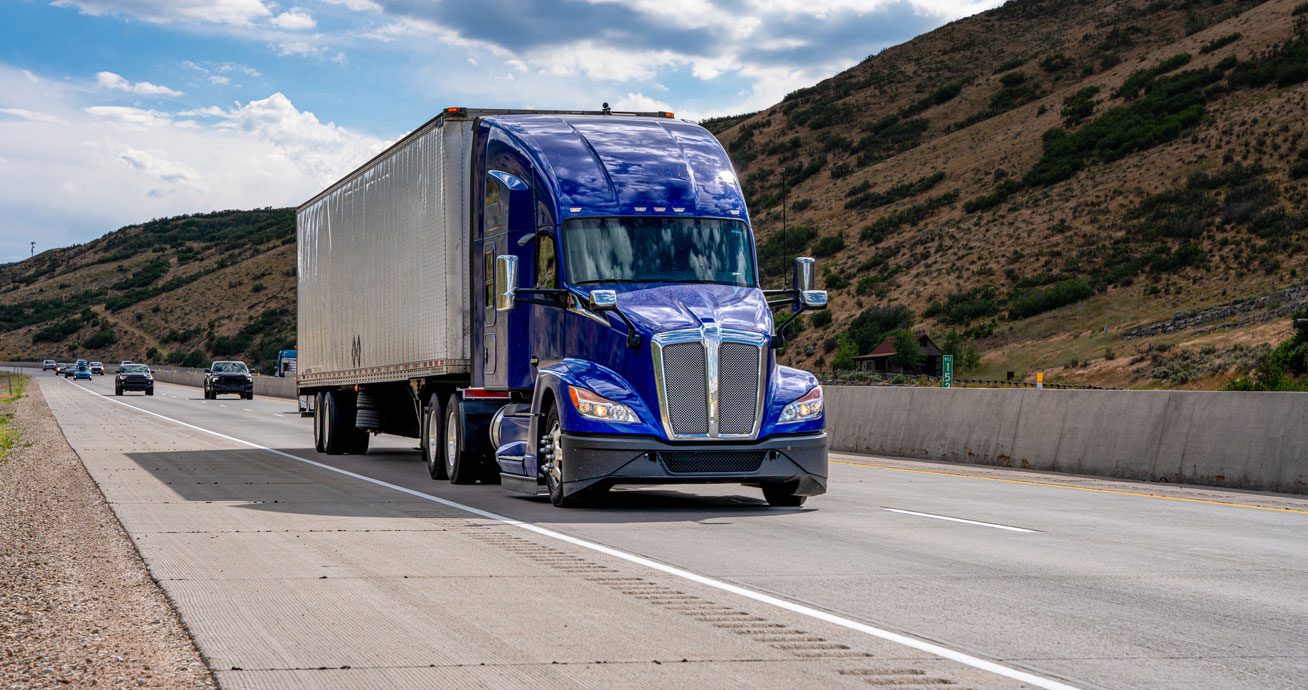
Trucking accidents are often catastrophic, producing severe injuries, substantial damage, and lasting emotional distress for victims and their families. The legal aftermath is no gentler than the crash itself, because commercial carriers answer to a web of statutes and regulations that ordinary drivers never encounter, and their insurers begin protecting the company within hours. Skilled trucking accident attorneys in California give injured people a way through that aftermath, turning a confusing and adversarial process into a structured pursuit of rightful compensation.
Command of California’s Specific Laws
California maintains its own detailed rules for the trucking industry, set out in the Vehicle Code and administered through agencies such as the California Department of Transportation. These provisions reach everything from weight limits and equipment standards to the conduct expected of commercial drivers on the state’s roads. Attorneys who concentrate on this field know these statutes well enough to recognize when a carrier’s paperwork tells a story of cut corners, and that recognition is frequently where a winning case begins.
How Vicarious Liability Works
One principle gives trucking claims much of their reach. Under the doctrine that holds employers responsible for what their employees do within the scope of work, a carrier generally answers for its driver’s negligence on the road. That matters enormously, because a company carries far more insurance than any individual, and its policies, training, and scheduling decisions become fair subjects of inquiry. The trucking accident attorneys in California use this principle to make sure a claim is measured against the company’s resources rather than the driver’s.
The Records That Decide These Cases
Trucking litigation is won in the documents. Driver qualification files reveal whether a carrier checked histories and licenses, hours-of-service logs show whether fatigue rules were honored, drug and alcohol testing records expose lapses in screening, and inspection and maintenance reports tell whether the vehicle belonged on the road at all. The trucking accident attorneys in California demand these records early and read them closely, because a single inconsistency between a logbook and electronic data can establish the violation at the heart of a claim.
Identifying Each Responsible Party
Responsibility for a truck crash can spread across the driver, the motor carrier, a separate trailer owner, a cargo loading company, a maintenance contractor, and a parts manufacturer. Each may hold its own policy and its own defense team. Sorting out who answers for what takes investigation, and pursuing all of them together keeps any single defendant from deflecting blame onto an absent party while the injured person waits.
Dealing With the Insurance Side
Commercial insurers move fast after a crash, sometimes placing investigators at the scene the same day. Their adjusters may sound sympathetic while gathering statements that later surface as ammunition against the claim. Letting counsel handle every exchange removes that risk, and it signals to the insurer that the claim will be measured by evidence rather than by how worn down the victim becomes.
The Compensation a Claim Can Recover
Damages in these cases extend well past the first hospital bill. A properly built claim accounts for surgical and rehabilitative care, medications, future treatment, income lost during recovery, any permanent reduction in earning power, property losses, and the pain and disruption the crash introduced into daily life. Insurers predictably contest the forward-looking categories, which is why trucking accident attorneys in California support them with medical experts and economic analysis.
When Trial Becomes Necessary
Most claims settle, but settlement is a product of leverage. When negotiations stall, experienced counsel file suit, take depositions, and put the evidence in front of a jury, presenting the violation, the harm, and the connection between them in plain terms. A defense that doubted the claim’s seriousness often reconsiders once trial preparation begins in earnest.
Deadlines That Control the Claim
Every injury claim in California lives under a clock. Statutory filing periods limit how long a victim has to sue, and certain defendants, particularly public entities, require formal notice within a window measured in months rather than years. Letting those dates slip extinguishes even a meritorious claim, which is why experienced counsel calendar every deadline on the first day of representation. The earlier trucking accident attorneys in California enter a case, the more room they have to investigate deliberately instead of racing the statute.
Paying for Representation
The economics of these cases favor the injured person more than most expect. Representation typically proceeds on contingency, meaning the attorney’s fee exists only as a percentage of whatever the claim actually recovers, and nothing is owed if the effort fails. Consultations generally cost nothing as well. The arrangement opens serious legal firepower to families who could never pay hourly rates, and it gives counsel every incentive to push the recovery as high as the facts allow.
Carrying the Burden So Clients Can Heal
Beyond the legal filings, capable counsel absorb the administrative churn that follows a serious crash, fielding adjuster calls, chasing down records, and answering the letters that pile up while a victim is still in treatment. Removing that load is part of the representation, and it matters more than it sounds. A person free to focus on physical therapy instead of paperwork recovers on better terms, and a claim managed by professionals from the start avoids the small errors that insurers love to exploit.
Moving Forward After a Crash
The weeks after a truck collision are the worst possible time to face a legal system alone, and fortunately no one has to. Consulting trucking accident attorneys in California promptly protects the evidence, the deadlines, and the value of the claim all at once, and contingency arrangements mean representation requires nothing upfront. With capable counsel managing the fight, an injured person can devote their energy to recovery while the claim moves steadily toward resolution.