
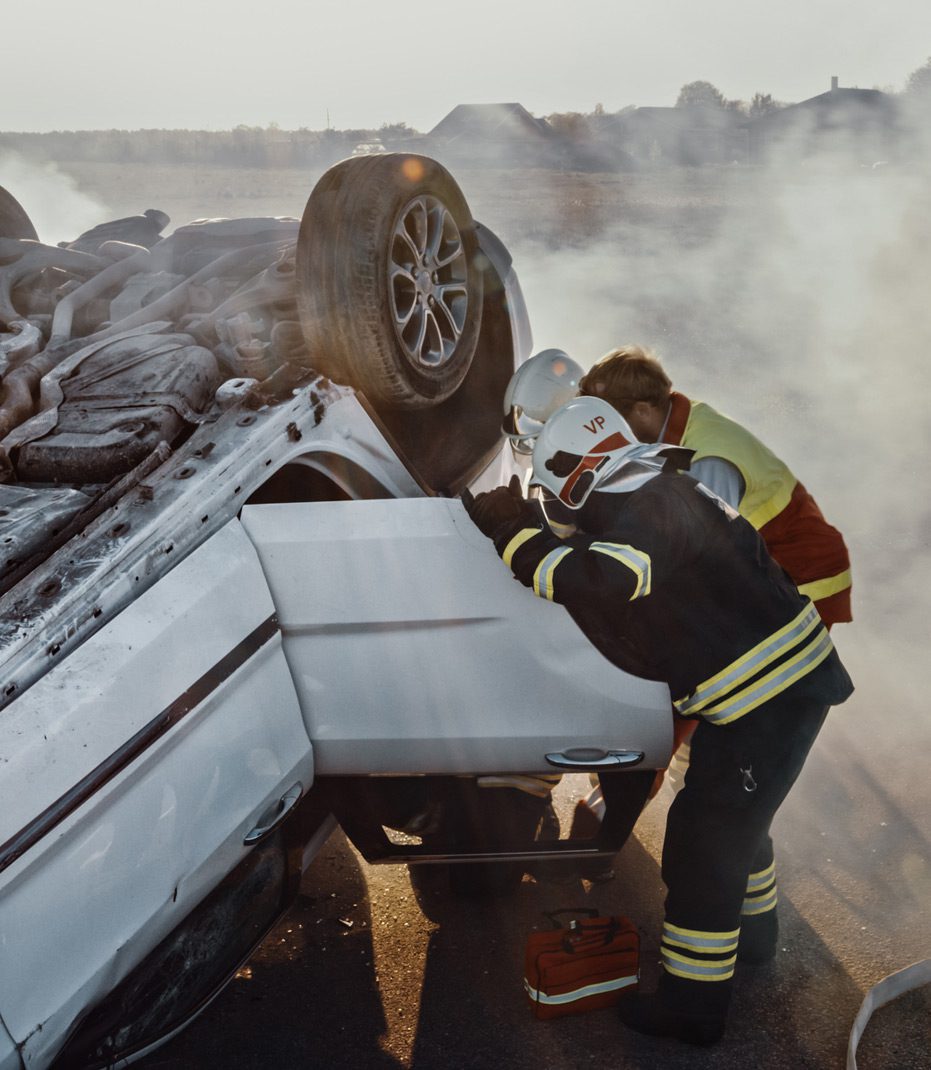
Rollover accidents in California often result in severe injuries, significant property damage, and at times, fatalities. It’s important to understand the causes of rollover accidents and potential legal implications when seeking compensation for injuries.
Causes of Truck Rollover Accidents
Truck rollovers are often a consequence of a combination of factors.
- Center of Gravity and Load: A significant factor is the truck’s center of gravity. If a truck is not loaded properly or is carrying liquid cargo, which can move unpredictably, the shifting weight can make it unstable, especially during turns or sudden maneuvers, leading to a rollover.
- Speeding: Excessive speed, especially around curves or on off-ramps, can result in the truck’s balance being upset, leading to a rollover scenario.
- Driver Fatigue: Fatigue is a recurring issue in the trucking industry. Long hours on the road without adequate rest reduce a driver’s reaction time and impair judgment, potentially leading to accidents.
- Distracted Driving: Distractions, be it due to mobile phones, GPS devices, or other in-cab activities, can divert a driver’s attention long enough to cause a catastrophic event.
- Road Conditions: Slippery roads from rain, ice, or spilled substances can reduce traction, increasing the risk of a truck losing control and rolling over.
Implications of Truck Rollover Accidents
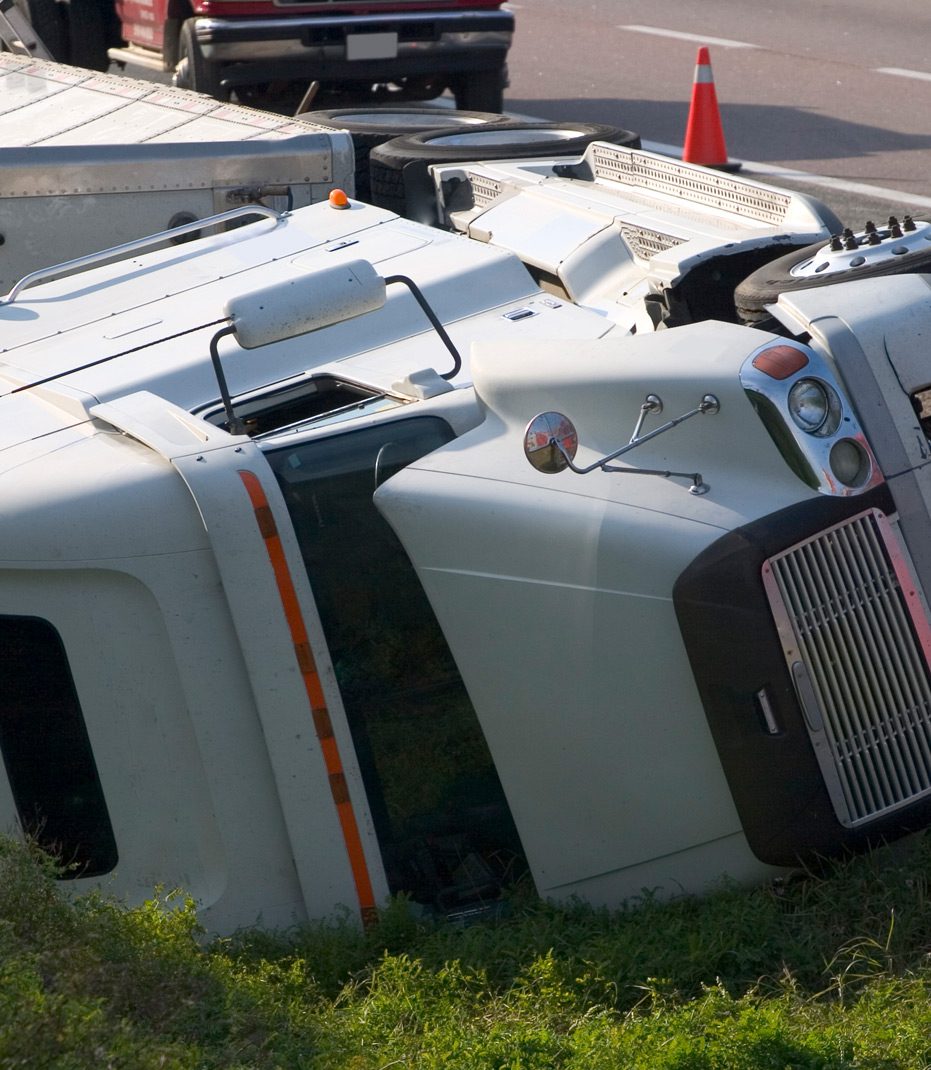
Rollover accidents involving trucks can lead to severe injuries, property damage, and traffic disruptions.
- Severity of Injuries: Given the size and weight of trucks, rollover accidents often result in significant trauma to occupants of other vehicles involved in the collision. Such injuries can range from fractures and lacerations to life-threatening conditions or even fatalities.
- Property Damage: The sheer size of a truck means that when it rolls, it can impact multiple vehicles, guardrails, or structures, leading to substantial property damage.
- Traffic Disruptions: Rollover accidents can block multiple lanes or even the entire road, causing significant traffic disruptions. Clearing the site might require cranes or other heavy machinery, leading to prolonged road closures.

Preventive Measures and Safety Protocols
Addressing the causes of rollovers can help in devising preventive strategies:
- Proper Loading and Inspection: Ensuring that the truck’s cargo is evenly distributed and securely fastened can prevent imbalances. Regular inspections can also ensure that the truck is in good working order, minimizing risks.
- Driver Training: Adequate training can equip drivers with the skills to recognize potential rollover situations and react accordingly. This includes understanding how to navigate curves safely and managing speed.
- Rest Periods: Implementing and adhering to mandatory rest breaks can prevent driver fatigue, reducing the risk of errors due to tiredness.
- Road Safety and Infrastructure: Ensuring that roads are well-maintained, adequately marked, and free from hazards can reduce the risk of accidents. This includes timely clearing of spilled substances or debris that might make roads slippery.
Seeking Legal Action For Rollover Accidents in California
Truck rollover accidents in California are a matter of grave concern given their potential repercussions. While numerous factors can contribute to such incidents, understanding them is the first step towards prevention.
If you’ve been injured in a rollover accident in California, contact Rafii Law today to schedule a consultation.