
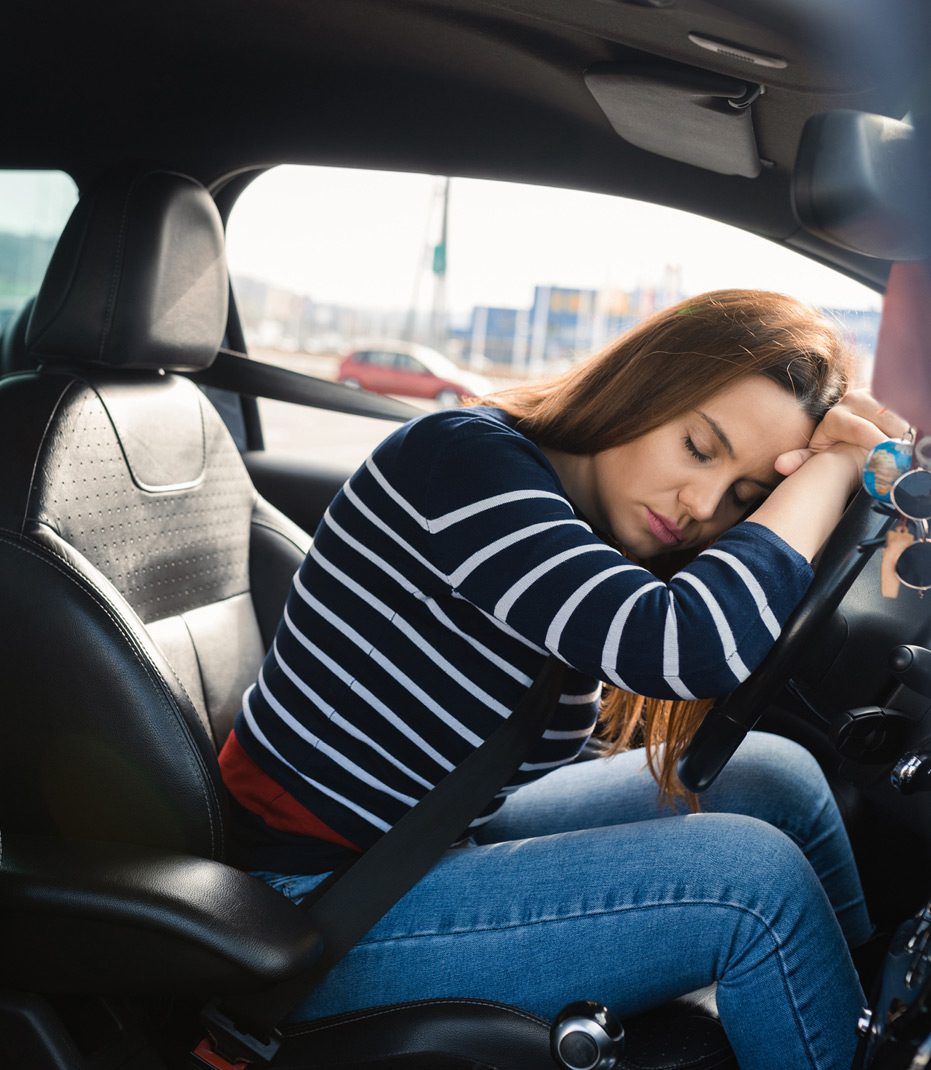
Road safety is a multifaceted concern, with numerous factors contributing to accidents. In California, a prominent and often underestimated cause of crashes is driver fatigue. Given the state’s extensive road network and the penchant for road trips among many Californians, understanding the implications of driver fatigue is crucial for ensuring safer roads.
The Impact of Driver Fatigue
Driver fatigue is the reduced ability to drive attentively due to tiredness, lack of sleep, or prolonged periods of driving. This diminished alertness and slowed reaction time closely mimic the effects of driving under the influence of alcohol. It’s alarming to think that a tired driver can be as hazardous as a drunk driver, but research and accident data lend credence to this claim.
According to the National Highway Traffic Safety Administration (NHTSA), drowsy driving claimed 795 lives in 2017 alone. The real figures might be higher, as driver fatigue often goes underreported or unrecognized as the cause of a crash.
Factors Contributing to Driver Fatigue
Numerous factors can increase the risk of accidents involving driver fatigue.
- Lack of Sleep: The most straightforward cause is not getting enough rest. Forgoing the recommended seven to nine hours of sleep can severely impair driving capabilities.
- Extended Hours of Driving: Long road trips or occupational driving without adequate breaks can lead to fatigue.
- Medications: Some medicines have side effects that induce drowsiness, impacting the driver’s alertness.
- Undiagnosed Sleep Disorders: Conditions like sleep apnea can result in fragmented sleep, leading to fatigue during waking hours.

Combatting Driver Fatigue
There are a few ways drivers can avoid the dangers of fatigue behind the wheel.
- Prioritize Sleep: This can’t be stressed enough. Ensure you get the recommended hours of sleep, especially before a long drive.
- Take Regular Breaks: If driving for extended periods, take a break every couple of hours. A short nap, a walk, or even just stretching can revitalize your energy levels.
- Avoid Alcohol and Certain Medications: Both can exacerbate fatigue, so it’s advisable to refrain from consuming them when you know you’ll be driving.
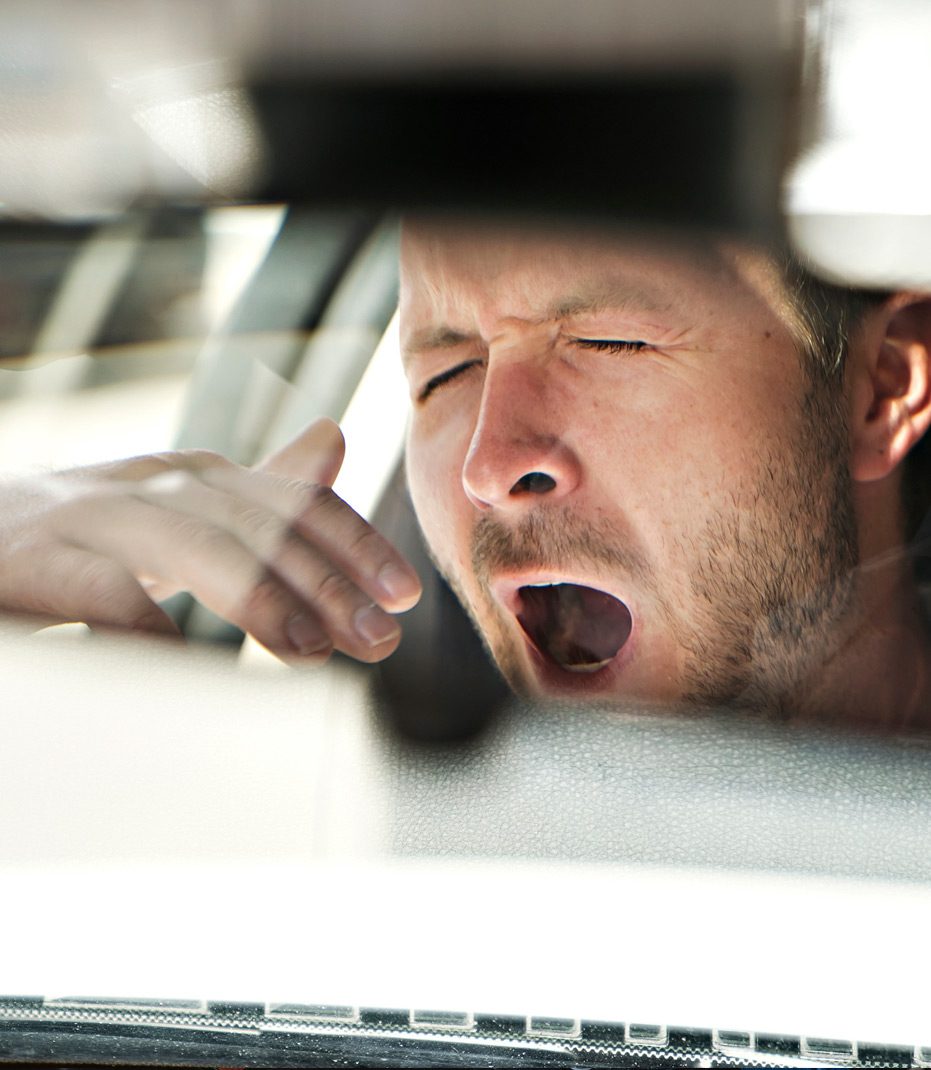
- Recognize the Signs: Yawning frequently, blinking excessively, drifting from your lane, or not remembering the last few miles are all indicators of drowsiness. If you notice these signs, it’s time to take a break.
- Travel During Awake Hours: Your body has a natural rhythm. Avoid driving during your usual sleeping hours when your body naturally craves rest.
- Share the Driving Load: If possible, travel with a companion and take turns driving, ensuring each person gets a chance to rest.
- Stay Hydrated and Nourished: Dehydration and low energy levels can contribute to fatigue. Drinking water and having healthy snacks can help keep you alert.
The Legal Aspect
California recognizes the dangers of driver fatigue. Drivers found to be recklessly driving due to drowsiness can face penalties similar to those imposed for drunk driving. Moreover, in the event of an accident, fatigue can be cited as evidence of negligence, leading to potential liabilities in personal injury claims.
If you’ve been involved in an accident involving driver fatigue, contact Rafii Law today to schedule a consultation.