
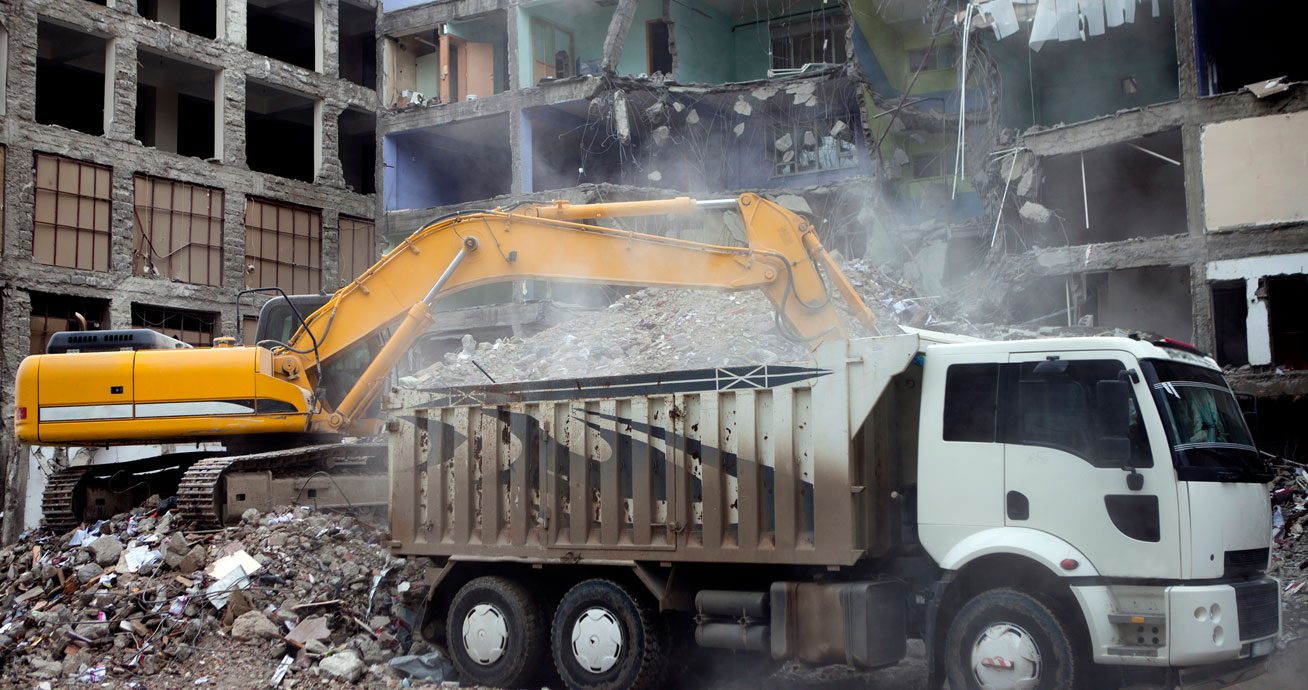
A truck crash inside an active construction zone brings together two distinct sets of hazards. The size and weight of a commercial vehicle combine with the shifting lanes, reduced speeds, and exposed workers that define a work site, and the result can be a uniquely dangerous collision. Victims often confront serious injuries and a confusing array of liability questions. Construction zone truck accident lawyers in California help injured people make sense of those questions and pursue the compensation they are owed.
What Makes These Cases Difficult
Construction zone crashes are harder to resolve than ordinary truck collisions because so many parties and rules are involved. Temporary signage, lane shifts, traffic control devices, and workers near the roadway each create duties that someone must meet. A crash may trace to a truck driver who ignored a posted limit, but it may also involve confusing lane markings, missing warnings, or a poorly designed work zone. Untangling these contributing factors requires counsel who understand both trucking regulations and the standards that govern construction sites.
Common Causes in Work Zones
Many of these crashes share recognizable patterns. Stop-and-go traffic and sudden slowdowns leave little reaction time, narrowed lanes crowd large trucks, and abrupt merges force risky maneuvers. Driver fatigue, distraction, speeding, tailgating, and poor maintenance heighten the danger, while inadequate signage or unsafe lane transitions on the work site can contribute their own share of fault. Establishing which factors combined to cause a crash is essential to assigning responsibility accurately.
The Role of Specialized Counsel
Attorneys in this field grasp the rules that apply to commercial trucks alongside those that govern roadway work zones. Construction zone truck accident lawyers in California use that knowledge to pinpoint where each party fell short, whether responsibility lies with the driver, the carrier, a maintenance provider, or the contractor running the zone. They act early to preserve traffic control plans, dashcam footage, and the truck’s electronic data, since this evidence is central to the claim and can be lost without prompt action.
California Laws and Regulations
Crashes of this kind fall under the California Vehicle Code, federal trucking standards, and the regulations that address construction zone safety. Negligence and liability principles then determine who must answer for the harm and to what degree. Skilled counsel tie a specific failure, such as an unsafe closure or an inattentive driver, to the injuries a client suffered, building the claim on documented facts and preparing to counter any effort to shift blame onto the victim.
The Investigation Process
Investigation anchors every claim. Construction zone truck accident lawyers in California partner with reconstruction specialists and collect the records, footage, and testimony needed to establish responsibility. They examine the approved traffic control plan against the conditions present at the time of the crash and review the truck’s maintenance and driver records, assembling a clear account of how the collision occurred and who allowed it to happen.
Compensation and the Path to Trial
From there, counsel negotiate assertively with insurers, documenting medical costs, ongoing care, lost income, property damage, and the physical and emotional toll of the crash so that any settlement reflects the true scope of the loss. When a fair settlement proves impossible, experienced trial attorneys are ready to litigate, presenting their evidence to a jury and arguing for full recovery. That readiness frequently strengthens settlement offers on its own.
Common Injuries and Damages
Work zone truck crashes often cause serious harm to drivers, passengers, and workers, including head and spinal injuries, fractures, and internal trauma. A complete claim accounts for medical bills, future care, lost income, diminished earning capacity, property damage, and the pain the crash caused. The construction zone truck accident lawyers in California assemble this picture with care, ensuring that an injured person understands the true value of a claim before any settlement is considered.
Time Limits and Fee Structure
California enforces strict filing deadlines, and claims involving a public entity or roadway contractor frequently require notice far sooner than other cases. For that reason, consulting construction zone truck accident lawyers in California soon after a crash protects the right to recover. These matters are typically handled on a contingency basis, with no attorney fee owed unless the case succeeds, so construction zone truck accident lawyers in California can take on a claim without asking an injured person to pay upfront.
Navigating Claims Involving Public Agencies
When a public agency designed or oversaw the work zone, a claim may involve a government entity, and those claims follow special rules. Notice must often be given within a short window, the procedures differ from an ordinary lawsuit, and the standards for proving liability carry their own requirements. Construction zone truck accident lawyers in California understand these procedures and act quickly to meet the deadlines that govern claims against public bodies. Missing a notice requirement can foreclose a recovery entirely, so the experience to handle these matters correctly is essential. By managing the additional steps that a government claim demands, construction zone truck accident lawyers in California keep this avenue of recovery open while pursuing the private parties responsible for the crash. Handling the public and private claims in tandem ensures that no responsible party slips away on a technicality and that every available source of compensation is brought to bear.
Taking the Next Step
Truck crashes in construction zones call for legal representation that understands commercial trucking and work site safety alike. Engaging construction zone truck accident lawyers in California gives injured people guidance, vigorous advocacy, and a focused pursuit of fair compensation. Reaching out soon after a crash preserves vital evidence, keeps deadlines from slipping, and gives the claim a solid foundation, helping victims pursue both accountability and a full recovery.