

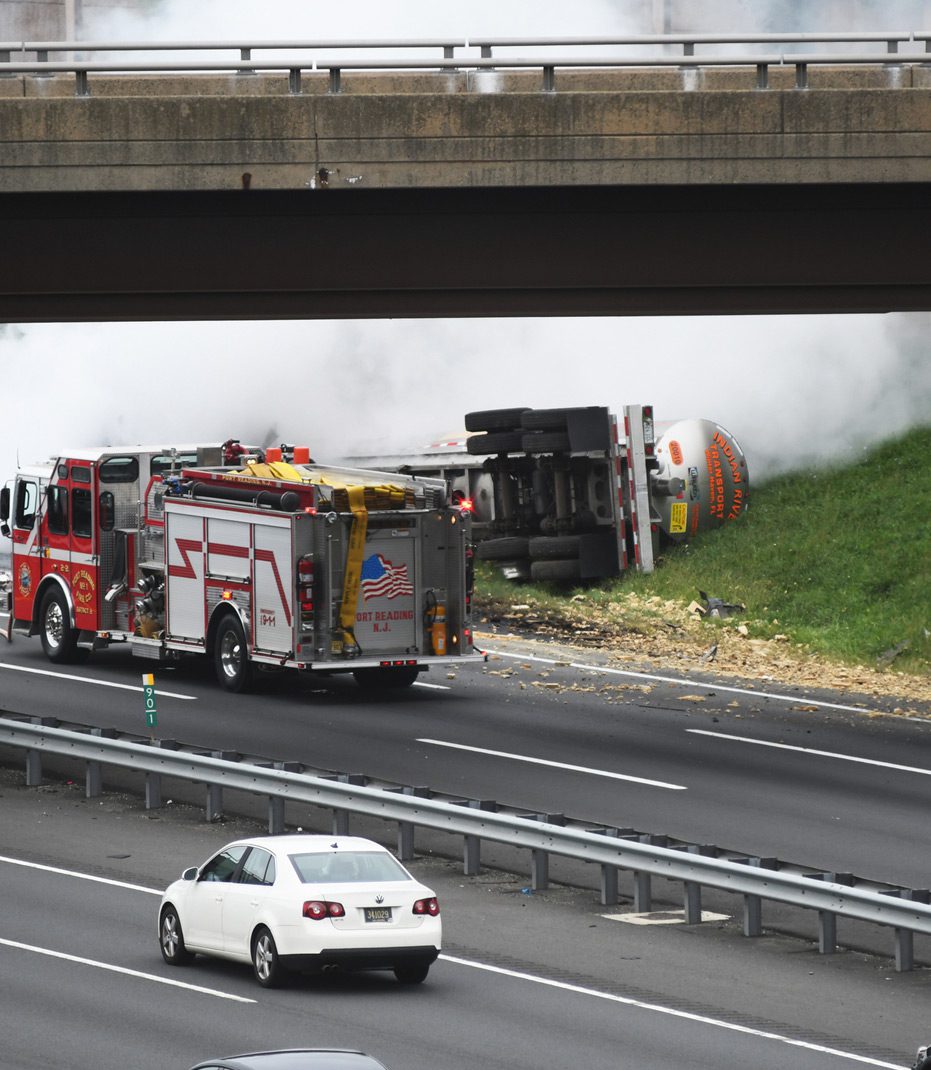
Truck accidents in California can result in catastrophic consequences, often leading to severe injuries, fatalities, and substantial property damage. While various factors contribute to these accidents, employer negligence emerges as a significant culprit. Delving into this dimension of truck accidents sheds light on the responsibilities of trucking companies and the dire consequences when these duties are overlooked or ignored.
What Constitutes Employer Negligence?
Employer negligence in the context of truck accidents pertains to trucking companies failing in their responsibilities to ensure the safety of their operations. This can manifest in several ways.
- Inadequate Training: Providing adequate training to drivers is imperative. If employers hire inexperienced drivers or neglect to offer proper training, they can be held responsible for accidents resulting from the driver’s lack of knowledge or skill.
- Forced Driving Hours: The law stipulates specific limits on how long truck drivers can be on the road without breaks. However, some employers push their drivers to exceed these limits to meet delivery deadlines, leading to fatigue and an increased risk of accidents.
- Poor Vehicle Maintenance: Trucking companies have a duty to maintain their fleet in good working order. Failing to conduct regular checks or ignoring necessary repairs can result in malfunctions that lead to accidents.
- Negligent Hiring: Employing drivers with a history of DUIs, reckless driving, or other serious offenses, without considering the potential risks, constitutes negligence. Employers must conduct thorough background checks before hiring.
- Pressuring Unsafe Practices: Some employers might encourage or implicitly pressure drivers to adopt unsafe practices, such as speeding, to expedite deliveries. Such practices significantly elevate the risk of crashes.
Legal Implications of Employer Negligence in California
In the aftermath of a truck accident resulting from employer negligence, victims have several legal rights and avenues.
- Right to Compensation: Victims can file a lawsuit against the negligent trucking company, seeking compensation for damages, which may include medical bills, lost wages, pain and suffering, and more.
- Vicarious Liability: In legal terms, even if the employer wasn’t directly responsible for the accident, they might still be held liable under the principle of “vicarious liability.” This doctrine posits that employers can be held responsible for the wrongful actions of their employees performed within the scope of their employment.
- Punitive Damages: In cases where the employer’s negligence is particularly egregious, victims might be awarded punitive damages. These are intended to punish the negligent party and deter similar behavior in the future.

The Role of Legal Representation
Navigating the complexities of truck accidents caused by employer negligence requires expert legal guidance. Experienced attorneys can:
- Establish Negligence: Lawyers can help gather evidence, such as maintenance logs, driver records, or internal communications, to prove employer negligence.
- Determine Compensation: Legal representation can assist victims in quantifying damages, ensuring they seek appropriate compensation.
- Negotiation & Litigation: An attorney can negotiate with the trucking company and their insurers, or if necessary, represent the victim’s interests in court.
If you’ve been involved in a truck accident in California due to employer negligence, contact Rafii Law today to schedule a consultation.